
By the LYL Clean Air Engineering Team · Published Jun 6, 2026 · Updated Aug 20, 2026
HEPA filtration is one of the most important selling points in consumer air purifiers. It is also one of the easiest areas to overclaim. Many listings use words such as H13, H14, true HEPA or high efficiency without explaining how the filter was verified or whether the claim belongs to the exact model being sold. For B2B buyers, this creates compliance risk, review risk and after-sales risk.
This guide explains how to evaluate HEPA filter quality before placing an OEM or wholesale air purifier order. It is written for professional buyers who need to prepare product pages, packaging and distributor documents responsibly. For model options, start with the LYL Clean Air product range, then request model-specific filter information during quotation.
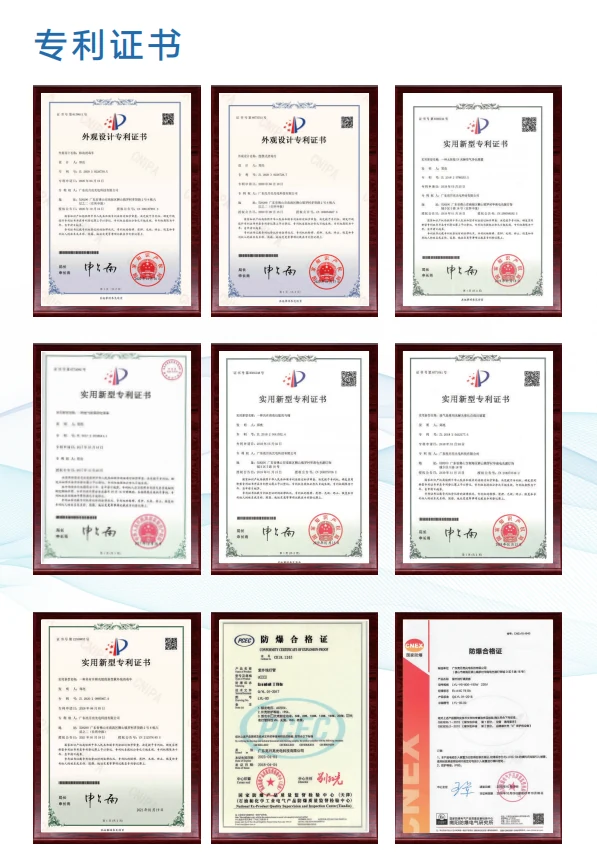
1. Separate Media, Filter and Complete-Unit Evidence
"HEPA quality" can refer to filter media efficiency, a finished filter element, its frame and seal, or the complete purifier. These are different evidence scopes. ISO 29463-1:2024 classifies filters based on performance determined under the related parts of that standard; it does not turn a filter result into a complete-device CADR, room-size or health claim.
A filter can meet its stated classification while a poorly fitted housing allows air bypass. Conversely, whole-unit airflow and clean-air delivery depend on more than the media grade. Procurement should therefore connect each public claim to the exact object and method that were tested.
2. Request Model-Specific Documents, Not Generic Claims
Ask which filter part number is used in the selected model and request current documents for that exact specification. If the supplier uses H13 or H14 wording, ask for the named classification standard and edition, MPPS method, sample identity and result. Do not copy data from another filter size, model or old catalog. Confirm model and market support through pages such as certification support.
| Check Item | What to Ask | Why It Matters |
|---|---|---|
| Classification claim | Which standard, edition, grade, method and MPPS result apply? | Defines what the H13, H14 or HEPA wording actually means |
| Report identity | Which filter, sample date, laboratory and report number are named? | Stops evidence from one product being transferred to another |
| Complete-unit fit | Does the filter seal firmly, and can air bypass the frame? | Filter classification alone does not verify purifier sealing or CADR |
| Replacement control | Can the same part number and specification be reordered later? | Protects after-sales compatibility and claim consistency |
3. Inspect Filter Construction During Sampling
When the sample arrives, record the filter part number and dimensions, then remove and reinstall it several times. Check frame stability, pull tabs, airflow direction, seals and whether the housing closes without forcing. Look for gaps that may allow air bypass. If the model includes a pre-filter, carbon layer or composite filter, ask the supplier to identify each layer without assuming that its appearance proves a performance claim.
For private-label brands, the filter also needs a clear reorder path. Ask whether the factory can provide part-number labels, controlled specifications, packaging and instructions that keep the replacement item traceable to the tested configuration.
4. Match Filter Claims to the Sales Scenario
Different pages need different evidence. An allergy air purifier solution may discuss particle filtration without promising treatment. A pet and smoke solution may describe a carbon layer only within its documented configuration. A baby room air purifier should avoid medical or absolute safety promises. Packaging and listing language must stay within the exact model evidence.
5. Avoid Unsupported Efficiency and Health Claims
Do not publish exact efficiency percentages, medical-grade language, sterilization claims or disease-related statements unless current documents support the exact scope and the wording has been reviewed for the target market. The U.S. EPA describes HEPA as a type of pleated mechanical filter and gives a 99.97% at 0.3 micrometre definition; that general definition is not evidence that a particular supplier model achieved the value.
6. Build Filter Evidence into Your RFQ
Your inquiry should include target country, exact purifier model, filter part number, claimed grade, replacement quantity, packaging needs and the public claims you intend to make. Request the report list before final artwork approval. If you are also comparing MOQ and pricing, use the MOQ and wholesale pricing strategy to prepare your quote request.
Official Sources Used for This Guide
- ISO 29463-1:2024: filter classification, performance, testing and marking
- U.S. EPA: What is a HEPA filter?
- U.S. EPA: Air cleaners and air filters in the home
Additional Procurement Questions
Can I request a filter sample separately?
Ask for the exact filter together with the purifier sample so its fit, identity and report scope can be checked. Availability depends on the selected model and factory process.
Is H14 always the best choice for a consumer purifier?
No grade should be selected in isolation. Review the test method, airflow, pressure drop, complete-unit performance, replacement cost and target claim. See the H13 vs H14 guide for the procurement comparison.
What is the biggest filter-quality mistake?
Using a generic report or grade label for a different filter or complete device. The claim, sample, report and replacement specification should remain traceable to one configuration.
HEPA Filter Sourcing CTA
Need help reviewing a purifier model and filter plan?
Send the target market, exact model and claims you need to support. LYL Clean Air can confirm what model-specific information is available for review.
Ask for Filter Guidance